
Thermal Imaging inspections
Stay ahead of hidden faults with TG Testing’s certified thermal imaging inspections that meet insurer and safety standards across Greater Sydney.
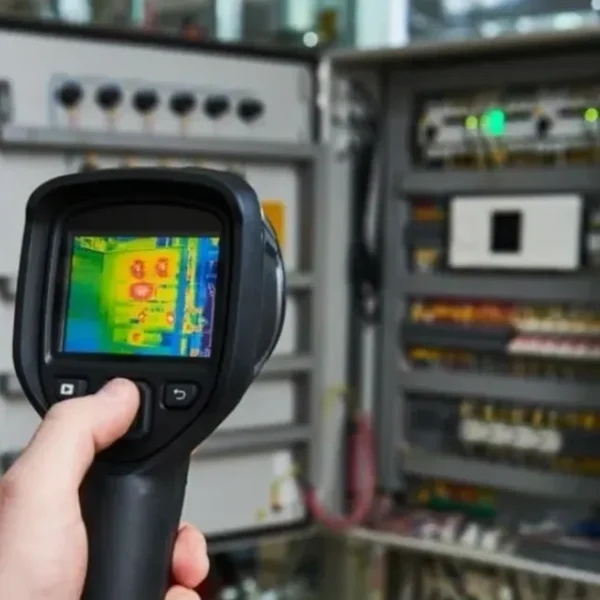
Comprehensive Infrared & Thermal Survey Solutions
TG Testing delivers fast, nonintrusive infrared electrical scans, mechanical thermography and insurance thermal surveys to uncover hidden faults before they cause unplanned failures or jeopardise insurance claims.
Our certified inspections identify overheating cables, switchgear hotspots, motor bearing anomalies and building envelope issues, providing a complete preventative maintenance overview.
Based in Camden–Campbelltown, we serve South West Sydney, Sutherland Shire, Greater Western Sydney and beyond with after-hours and weekend appointments tailored to your operational needs.
Our Thermal Imaging Process
Perform a live infrared scan of switchboards, panels and connections
Identify hot spots and irregular heat signatures
Document temperature variations and affected components
Provide a detailed digital report with thermal images and recommendations
Resolve minor faults on-the-spot where possible
What is Thermal Imaging?
Thermal imaging, or thermal scanning, uses advanced infrared cameras to visualise temperature variations across live electrical systems, revealing issues invisable to the naked eye.
By capturing real-time heat signatures, it uncovers developing faults such as overloaded circuits or loose connections before they escalate into costly breakdowns or safety hazards.
This non-invasive method keeps your equipment online during inspection and delivers precise data for targeted maintenance planning.
- It detects overheating cables, connectors, and terminals
- It spots loose, corroded, or imbalanced connections
- It identifies overloaded circuits, breakers, and switchgear
- It reveals heat build-up in motors, control centres, and wiring
- It captures real-time thermal data without shutting down equipment
Why Thermal Scanning matters
Reduce Fire Risk
Early hotspot detection prevents overloaded circuits, cable arcing and potential fires.
Insurance requirements
Satisfy insurer and regulatory requirements with audit-ready thermal reports
Mainenance budget insight
Focus maintenance budgets where they matter most by targeting actual fault locations
Identify Electrical Deformities
Temperature monitoring and thermal scanning reveal potential faults early, reducing risk and saving time and money.
Test Without Operational Downtime
Thermographic inspections assess live electrical components without halting production or shutting down equipment.
Improve Business Continuity
Regular thermal scans minimise unplanned equipment failures, ensuring your operations stay up and running.
How Often Should Thermal Imaging be Done?
Scheduling thermal imaging in Australia often depends on your insurer’s premium structure, but as a general guide:
All surveys must be performed by a NATA-accredited, Category-1-certified thermographer in accordance with AS ISO 18434.1 and include a licenced thermographer’s report covering qualifications, scope of works, high-resolution imagery, identified anomalies, remediation recommendations, and risk ratings.
Meeting these intervals not only keeps you compliant with WHS “regular inspection” duties but also ensures your insurer will honor risk-reduction credits and avoid claim disputes.
Why Choose TG Testing for Thermal Imaging?
Qualified Thermographer
Our inspections are performed by NATA-accredited, Category-1 certified thermographers with specialised training in electrical thermography.
High-resolution imagery
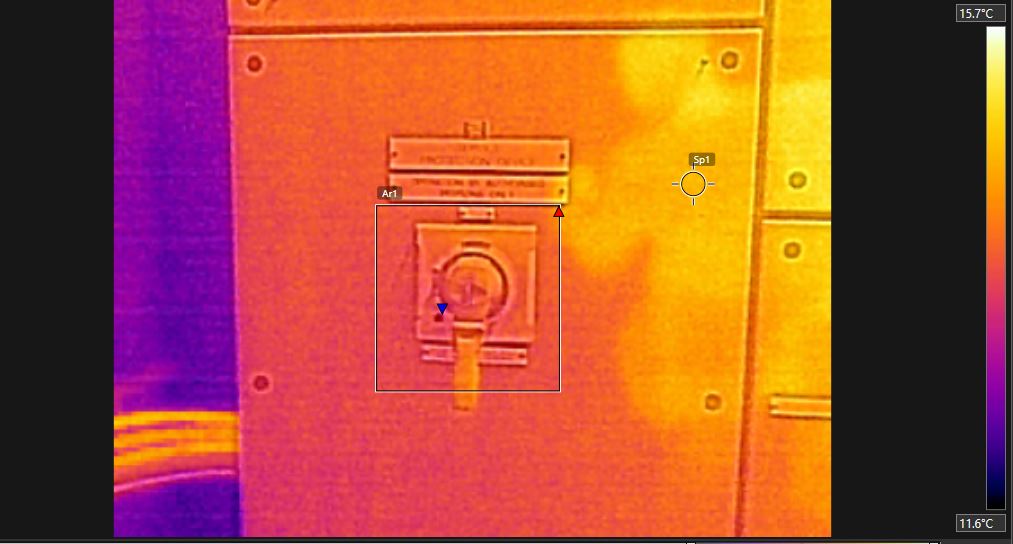
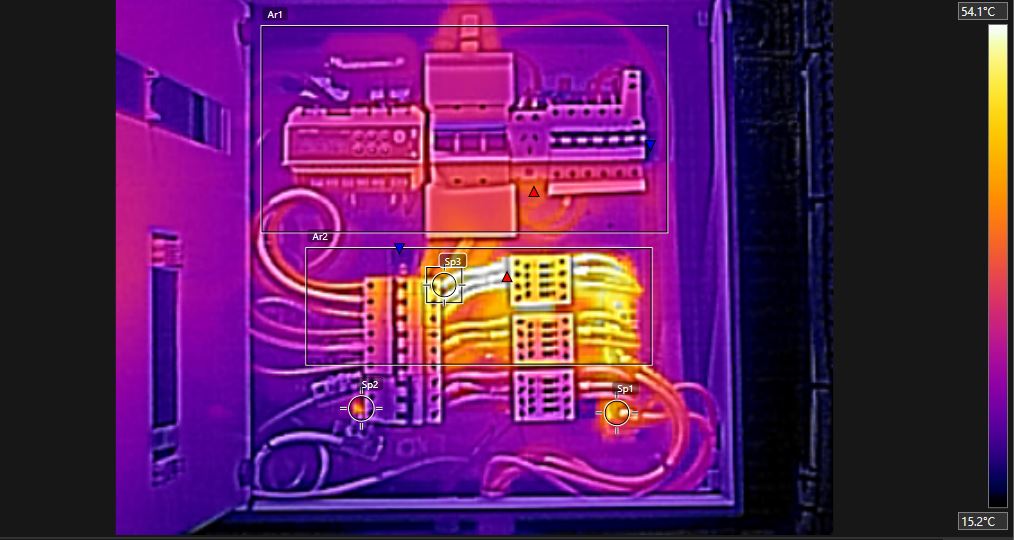
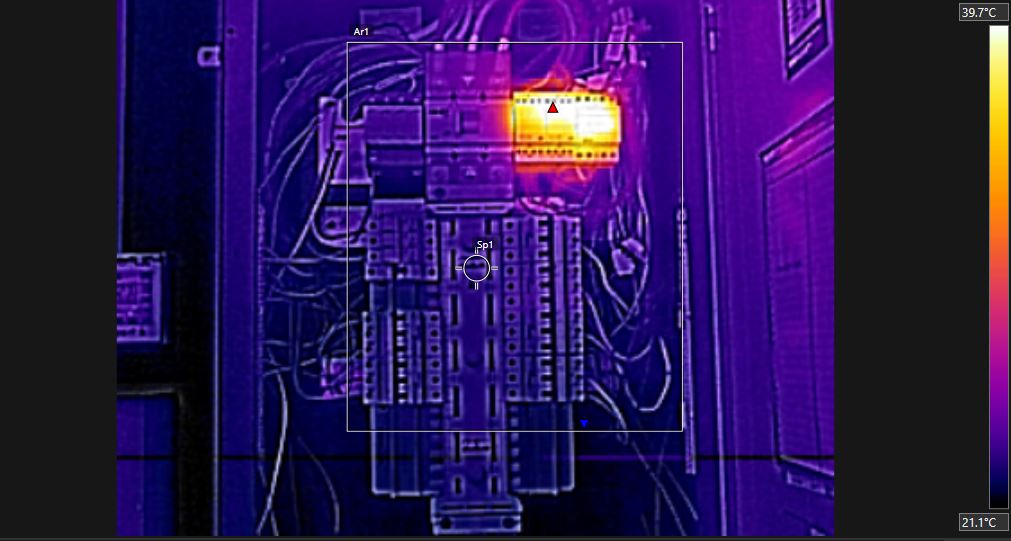
We use the latest infrared cameras to capture crystal-clear thermal images, ensuring even minor hotspots are accurately detected.
Live-Load Scanning
All thermal scans are conducted on energized equipment—no shutdowns or production interruptions required.
Actionable Reports
You receive detailed, audit-ready reports with clear thermal visuals, risk ratings and tailored remediation recommendations.

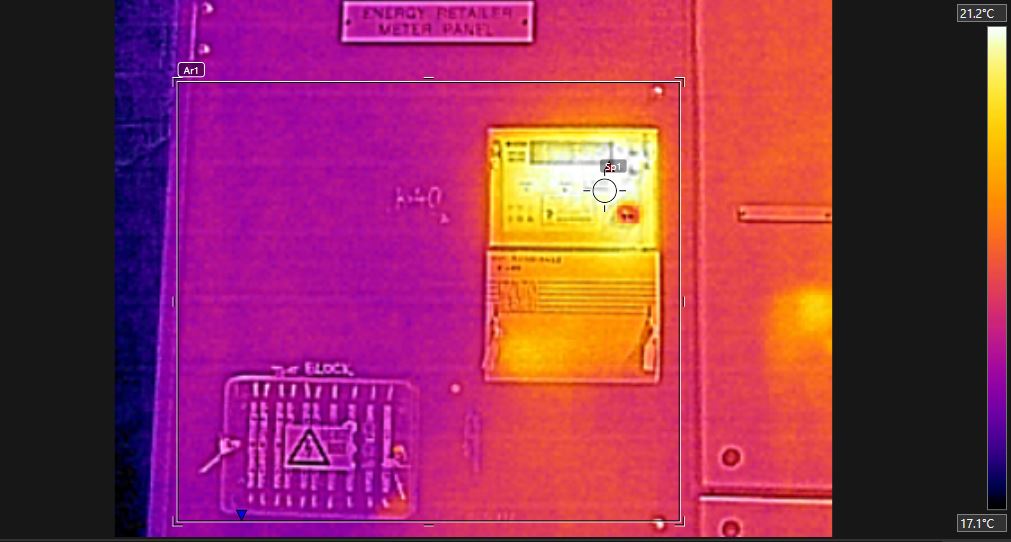

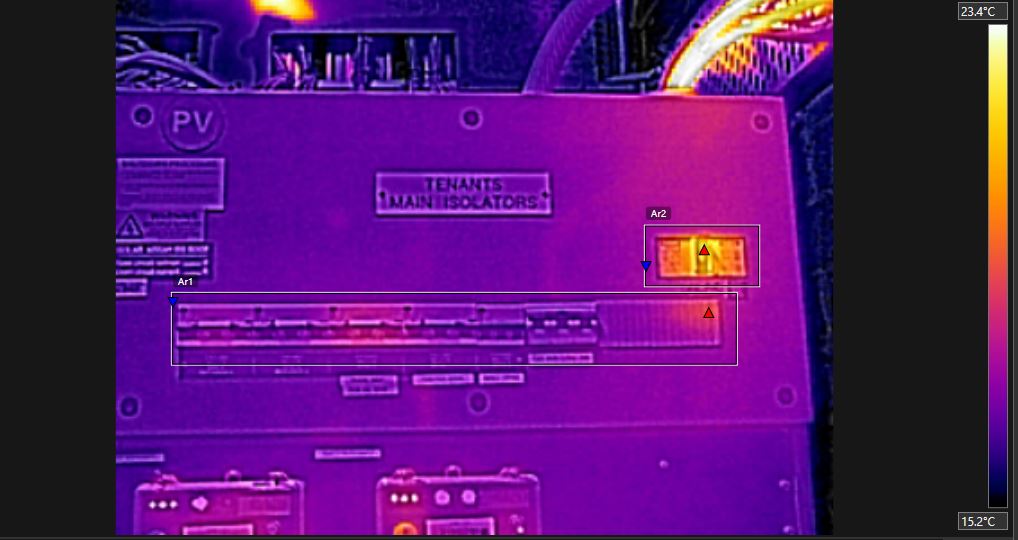
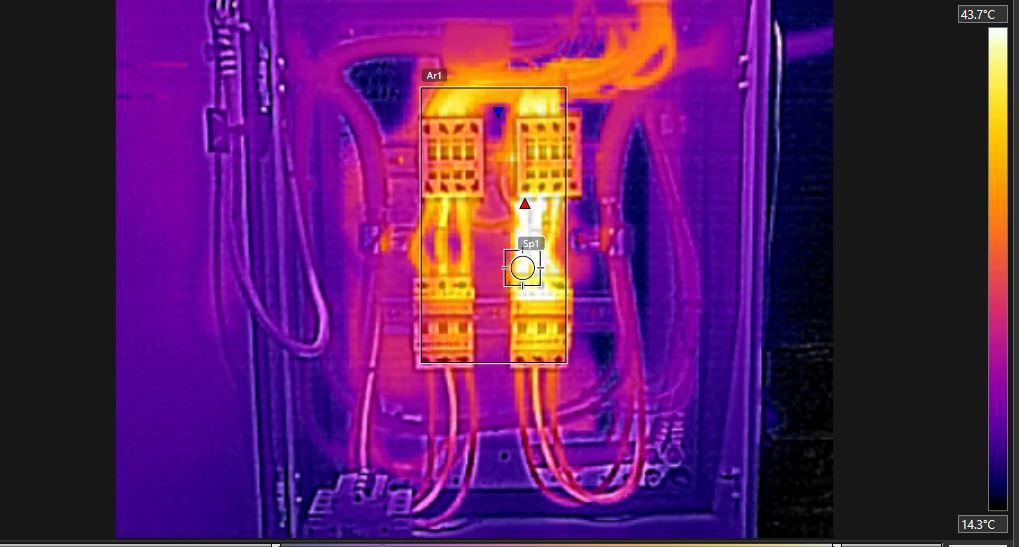
Let us help you catch faults before they become failures.
Frequently asked termal imaging questions
What is a thermal imaging inspection?
A thermal imaging inspection (or thermographic scan) uses infrared technology to detect abnormal heat signatures in electrical systems. It helps identify issues like overheating components, loose connections, and overloaded circuits before they lead to failure or fire.
Is thermal imaging a legal requirement?
While not legally mandated like test & tag or RCD testing, thermal imaging is frequently recommended by insurers and industry best practice guidelines, especially in high-risk or critical operations such as manufacturing, healthcare, and data centres.
What types of electrical faults can thermal imaging detect?
Thermal imaging allows TG Testing to detect hidden issues that aren’t visible during a standard electrical inspection. By identifying unusual heat signatures, we can pinpoint faults before they lead to equipment failure, fire risk, or costly downtime.
Common issues we detect include:
- Overloaded circuits that are operating beyond safe capacity
- Loose or corroded connections causing heat build-up
- Failing breakers or fuses nearing end of life
- Imbalanced electrical phases leading to uneven load distribution
- Excessive heat in switchboards or terminals indicating potential failure
Our scans are conducted while your systems remain live, enabling real-time fault detection without interrupting daily operations.
Do thermal imaging inspections require equipment shutdown?
No. Thermal imaging is non-invasive and performed while your electrical systems are live and under load, making it ideal for identifying real-time issues without disrupting operations.
What areas do you inspect with thermal imaging?
At TG Testing, we perform detailed thermal imaging inspections on key electrical infrastructure to identify faults before they lead to failure or fire. Common areas we scan include:
- Main switchboards and sub-boards
- Distribution boards and circuit panels
- Motor control centres
- Server room panels and data cabinets
- Electrical connections, terminals, and cable joints
Our licensed technicians use calibrated infrared equipment to capture precise temperature data, helping you stay compliant, reduce risk, and maintain safe, efficient operations.