
Mechanical Thermography for Predictive Maintenance
Mechanical thermography uses infrared scans to detect hotspots in pumps, bearings, motors and more, preventing downtime and costly repairs.
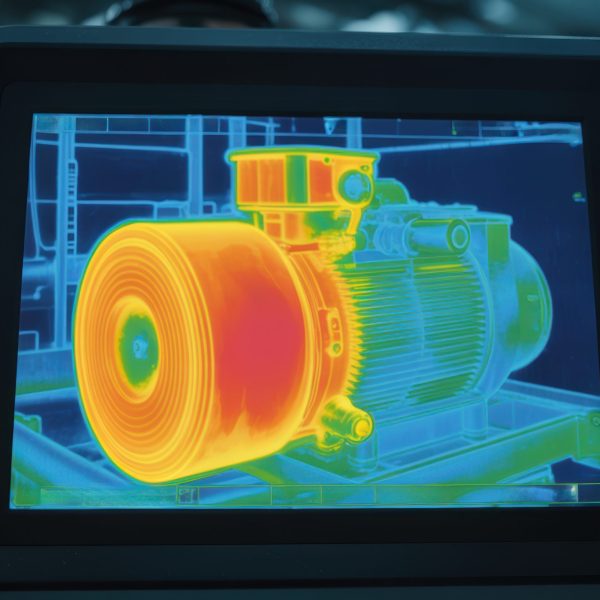
Proactive Fault Detection & Maintenance
TG Testing’s infrared inspections reveal abnormal heat patterns in your rotating and moving equipment, pumps, conveyors, gearboxes, generators and motors, while they run under load.
Based in the Camden–Campbelltown area, we serve South West Sydney, Sutherland Shire, Greater Western Sydney and surrounding areas, with after-hours and weekend appointments to fit your maintenance schedule.
Our Mechanical Thermography Process
Perform a live infrared scan of key mechanical assets under normal or peak load
Identify thermal anomalies—high-friction zones, misaligned shafts and worn bearings
Document temperature differentials with high-resolution imagery
Provide detailed digital reports with prioritized recommendations
Offer on-site minor repairs or replacement quotes to address issues immediately
What Is Mechanical Thermography?
Mechanical thermography applies infrared imaging to operating machinery, revealing temperature patterns that indicate wear, friction or misalignment long before you’d notice noise or visible damage.
This real-time, non-intrusive inspection keeps your equipment online while providing the insights you need for targeted maintenance.
- Scan pumps, conveyor rollers, motors, gearboxes and generators under load
- Compare heat signatures across similar components to spot exceptions
- Detect hotspots caused by friction, misalignment or lubrication failures
- Uncover issues before they manifest as noise, burn marks or catastrophic breakdowns
- Deliver real-time thermal data for precision maintenance planning
Key Benefits of Mechanical Thermography
Early Fault Detection
Spot emerging issues before they escalate into costly failures.
Scheduled Repairs
Plan maintenance during non-peak hours to minimise operational disruption.
Enhanced Safety
Identify fire or mechanical-failure risks before they threaten people or property.
Targeted Component Replacement
Replace only the faulty parts, extending overall equipment life and reducing expenses.
Energy Efficiency Insights
Reveal heat losses and inefficiencies to optimise power consumption.
Data-Driven Maintenance
Use real-time thermal data to prioritise work, boosting reliability and productivity.
How Often Should Mechanical Imaging be Done?
Scheduling mechanical thermal imaging in Australia often depends on your insurer’s premium structure, but as a general guide:
¹Follow with the regular interval for that equipment type.
These recommendations reflect both industry best practices and common insurer mandates. Always confirm your policy terms and tailor frequencies to your specific risk profile.
Why Choose TG Testing for Thermal Imaging?
Qualified Thermographer
Our inspections are performed by NATA-accredited, Category-1 certified thermographers with specialised training in electrical thermography.
High-resolution imagery
We use the latest infrared cameras to capture crystal-clear thermal images, ensuring even minor hotspots are accurately detected.
Live-Load Scanning
All thermal scans are conducted on energized equipment—no shutdowns or production interruptions required.
Actionable Reports
You receive detailed, audit-ready reports with clear thermal visuals, risk ratings and tailored remediation recommendations.

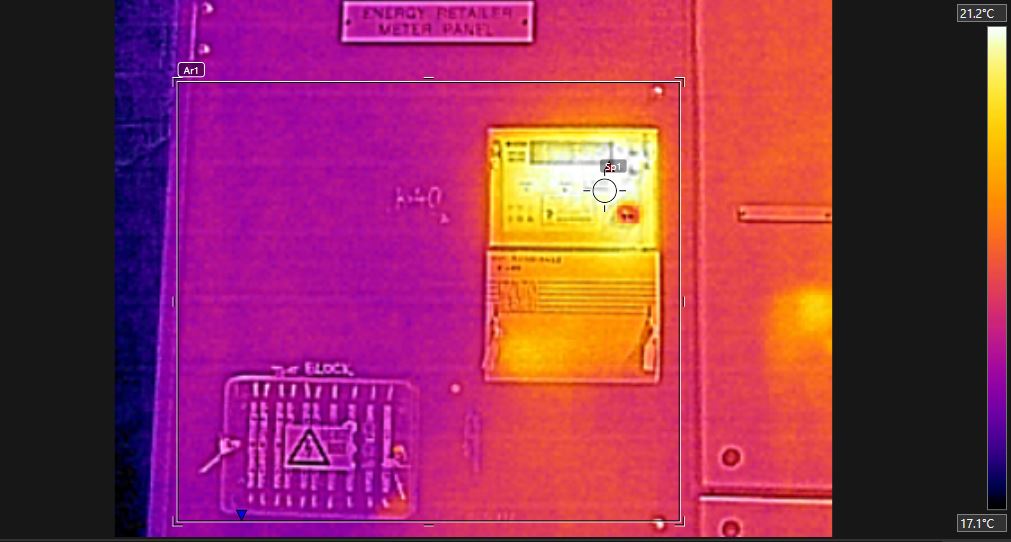

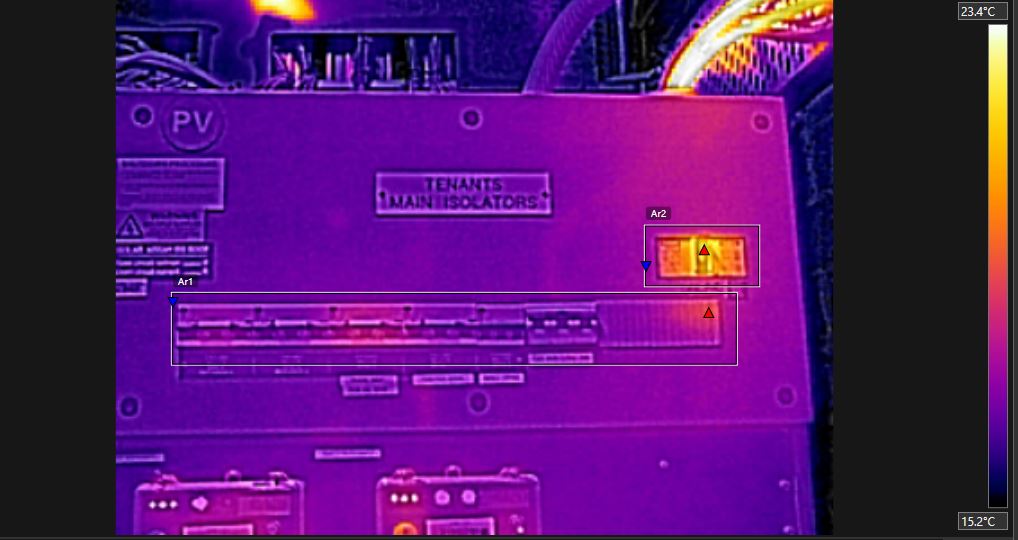
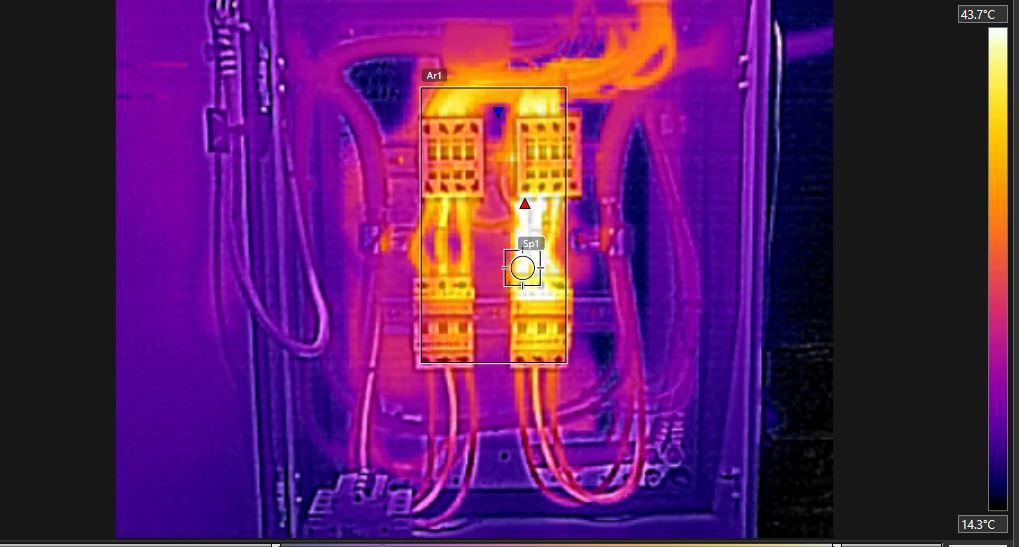
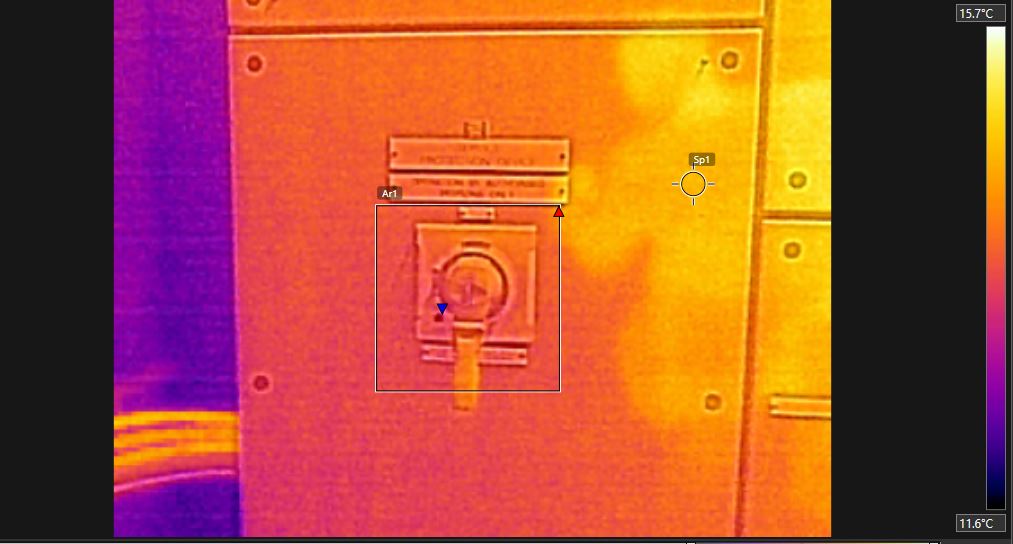
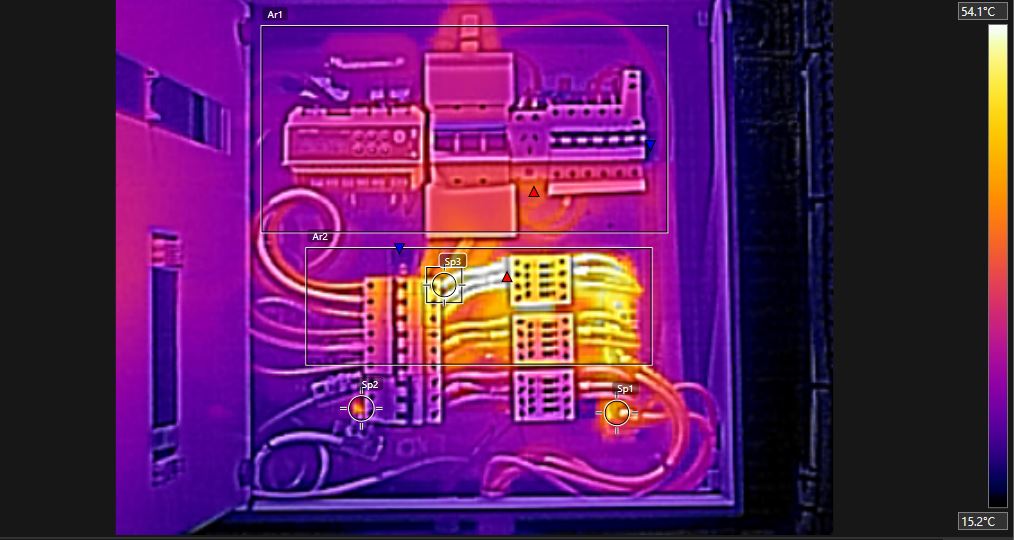
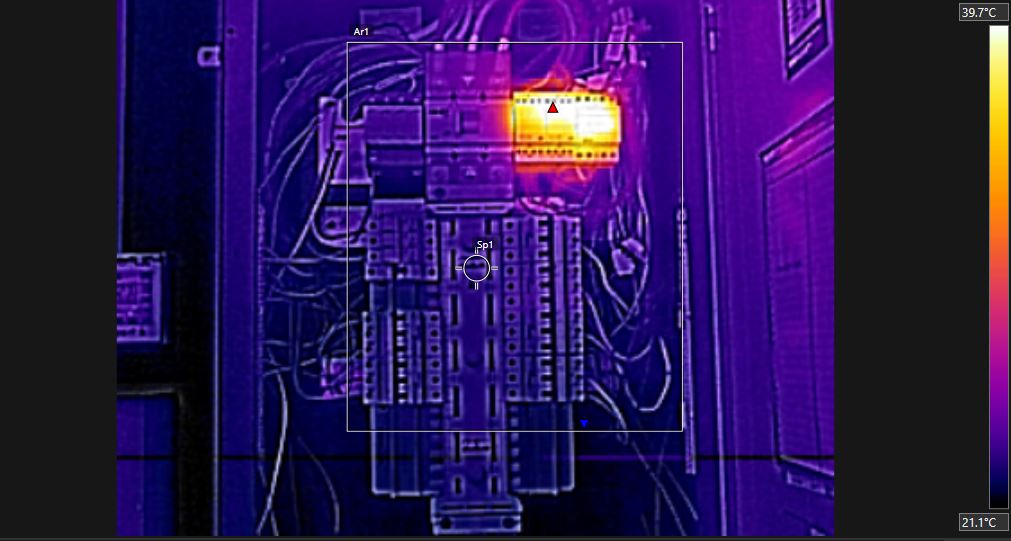
Book your mechanical thermography inspection with TG Testing today to prevent failures, reduce costs and keep your operations running smoothly.
Frequently asked mechanical thermography questions
Which mechanical components can you scan?
We inspect pumps, motors, conveyors, bearings, gearboxes, generators and other rotating or load-bearing equipment.
Does thermal scanning require shutdowns?
No, our non-intrusive scans are performed while machinery runs under normal or peak load.
How long does an inspection take?
Most site scans take 1–4 hours, depending on the number of assets and site complexity. We’ll provide a clear timeframe in your quote.
Are your thermographers certified?
Yes. All inspections are carried out by NATA-accredited, Level-1 certified thermographers following AS ISO 18434-1 standards.
Do insurers accept your thermal reports?
Absolutely. Our reports meet common insurer guidelines, including thermographer qualifications, scope of work, high-resolution imagery and risk recommendations.
Can you repair faults on-site?
Yes. When possible, our licensed electricians perform minor repairs or part replacements immediately and retest to confirm compliance.
How often should I schedule mechanical thermography?
As a general guide: annually for standard assets, semi-annually for high-wear equipment and quarterly for mission-critical systems, or as mandated by your insurer’s risk program.